A recurring finding in nutritional research is that people consistently underestimate how much they eat and drink. The gap is not trivial: in large-scale dietary survey studies, the discrepancy between self-reported intake and actual intake can be substantial, and it is not distributed evenly. The foods and drinks most likely to be underestimated are those whose caloric contribution is least obvious — sweetened drinks, snack foods consumed between meals, sauces and condiments added to meals, and the extra servings that accumulate when portion sizes are larger than they appear. Hidden sugars in everyday food, liquid calories awareness, and the phenomenon of portion distortion each represent a different facet of this structural invisibility in the daily eating record.
Hidden Sugars: A Category Wider Than Sweet Foods
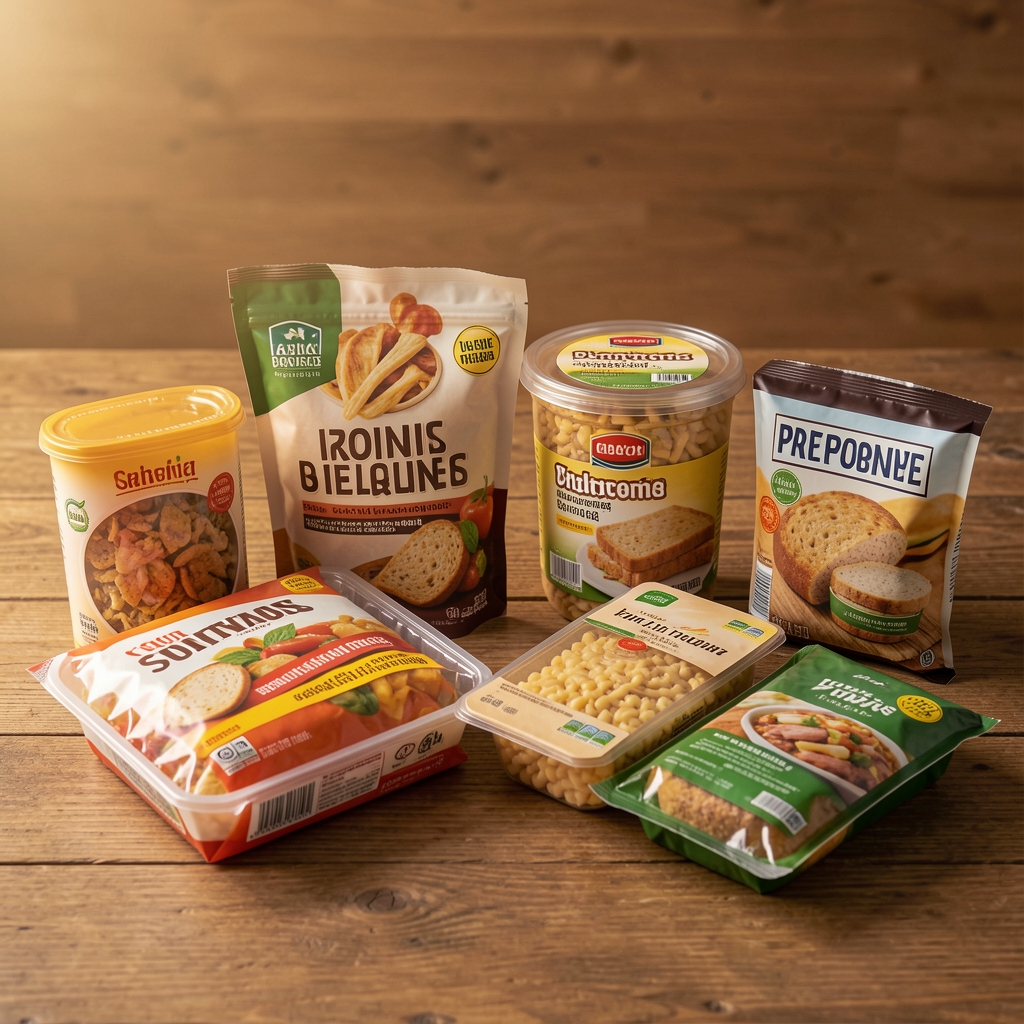
The category of hidden sugars in everyday food is wider than the term suggests. The obvious sources — confectionery, biscuits, cakes, sweetened drinks — are well-known and are typically accounted for, at least approximately, in dietary self-assessment. The less obvious sources are the ones that create the largest gap between perceived and actual sugar intake. Savoury processed foods routinely contain added sugar as a flavour-balancing or preserving agent: pasta sauces, baked beans, pickles, ready-made soups, processed meats, crackers, and flavoured rice pouches all contain measurable quantities of added sugar that do not register as sugar-containing foods in ordinary categorisation.
The amount of hidden sugar in a typical savoury convenience food varies substantially by product and brand, but it is consistent enough to matter at the level of a daily diet. Refined carbohydrates and weight have a relationship that goes beyond total caloric content: foods high in refined starch and added sugar produce faster rises in blood glucose, shorter satiety windows, and a return of hunger sooner after eating than foods with equivalent calorie counts but lower refined carbohydrate content. This means that a diet dominated by convenience foods with hidden sugar tends not only to deliver more sugar than the eater realises, but also to produce a feeding pattern with more frequent hunger episodes and therefore more frequent eating occasions.
High-salt food habits compound the issue in a specific way: sodium in food is directly implicated in fluid retention and indirectly linked to increased beverage consumption, particularly of sweetened drinks. The person who eats a high-sodium meal is more likely to reach for a sweetened beverage than the person who has eaten a lower-sodium equivalent, because salt stimulates thirst, and the most immediately available and satisfying response to thirst in most domestic and commercial food environments is a sweetened drink rather than water. This is one of the less discussed pathways by which high-salt food habits contribute to liquid calories awareness becoming a relevant concern.
"The most structurally invisible calories in the daily record are rarely the obvious indulgences. They are the drinks consumed without much thought, the sauces added without measurement, the second serving taken when the first plate was simply not quite enough."
Liquid Calories: The Most Underestimated Column
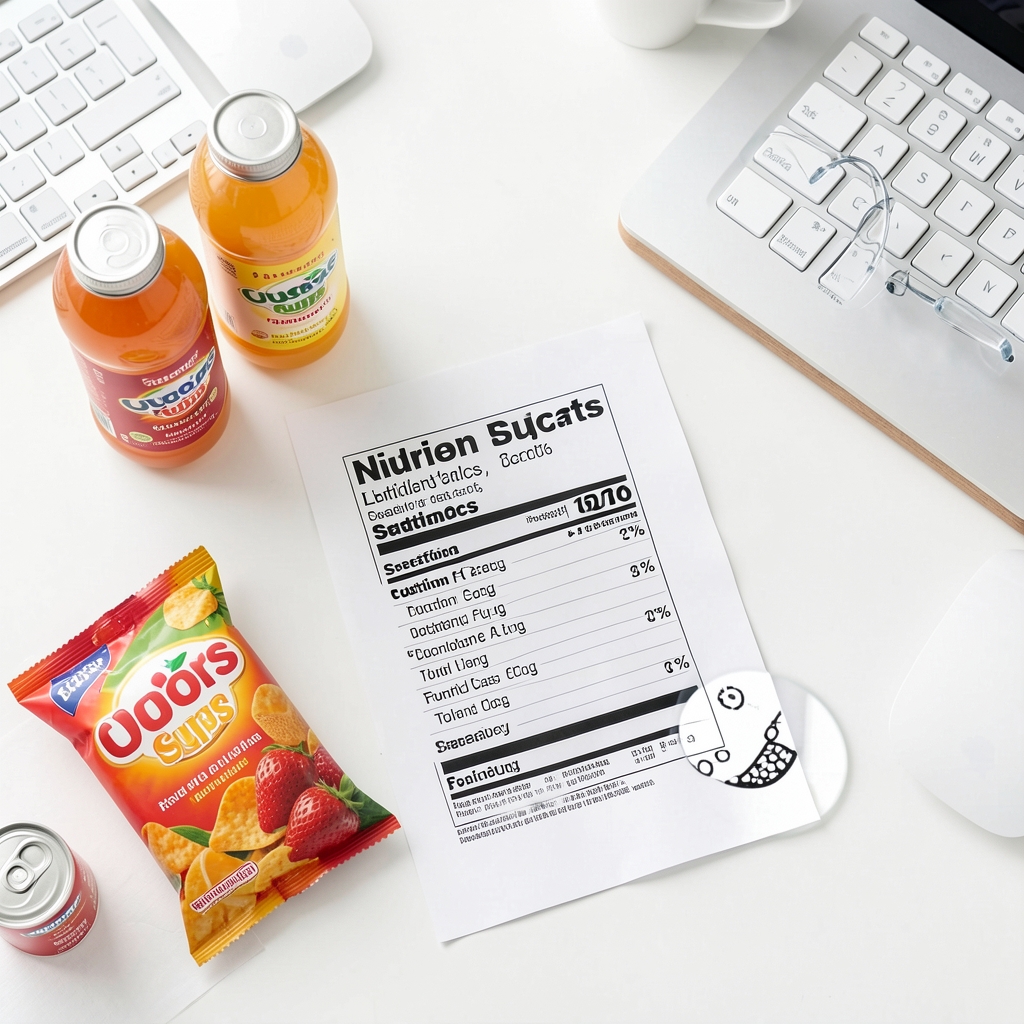
Liquid calories awareness is the practice of accounting for the caloric content of drinks in the same way one accounts for meals and snacks. It is a practice that a substantial proportion of adults in England do not apply consistently, and the gap in awareness is not confined to sweetened sodas. It extends to fruit juices — which are often perceived as nutritionally equivalent to fruit when they are nutritionally quite different — flavoured coffees and teas, sports drinks, energy drinks, smoothies, and alcoholic beverages.
Fruit juice is a particularly instructive example. A glass of orange juice contains approximately the same quantity of sugar as a glass of cola, and the absence of the fibre present in whole fruit means that the sugar is absorbed more rapidly and with less satiety effect. Yet fruit juice occupies a positive nutritional category in the popular imagination — "a glass of orange juice" is culturally coded as a healthy breakfast element in a way that "a glass of cola" is not. Liquid calories awareness requires the recognition that the cultural coding of a drink and its nutritional profile are not the same thing.
Flavoured coffees and teas represent a growing category of liquid calorie sources. A standard high-street flavoured latte with syrup and full-fat milk contains between 250 and 450 calories depending on size and specification — the caloric equivalent of a modest meal. In the daily accounting of most people who consume one or two such drinks, this contribution is either not registered at all or substantially underestimated. Alcoholic beverages operate similarly: the caloric content of wine, beer, and spirits is widely known in principle but rarely incorporated into the practical accounting of daily intake.
Portion Distortion: How Size Perception Shifts Over Time
Portion distortion refers to the systematic misperception of what constitutes a normal or appropriate serving size, a misperception that develops gradually through exposure to increasingly large food portions in commercial and domestic settings. Research on portion distortion has demonstrated that when people are served larger portions, they eat more — and they do not subsequently reduce their consumption at the next meal to compensate. The additional food consumed in response to a larger portion is typically not registered as excess; it is simply absorbed into the eating occasion without comment.
The historical shift in portion sizes across both the restaurant sector and the packaged food industry has been well-documented. Portions in both contexts have increased substantially over the past thirty years, and the baseline against which people calibrate "a normal amount" has shifted accordingly. This means that someone who is eating what feels to them like a moderate, normal quantity of food at a meal may be consuming substantially more than the quantities that would have been considered normal at an earlier period. Portion distortion is therefore not a failure of individual judgement but a calibration problem: the measuring instrument has been recalibrated without the eater's awareness.
Mindless snacking is a related phenomenon in which food is consumed not in response to hunger but in response to environmental cues and habitual associations. The bowl of snacks on the coffee table, the biscuit taken with a cup of tea, the food consumed while watching television or working at a screen — these are eating occasions that are often not registered as such in dietary self-assessment because they are not coded as meals. Mindless snacking can contribute a substantial quantity of daily caloric intake that operates below the threshold of conscious dietary awareness.
Building Awareness Without Obsession
The practical implication of the research on hidden sugars, liquid calories, and portion distortion is that the most useful initial intervention is not dietary change but dietary observation. Before gradual dietary improvement is possible, it is generally useful to have a reasonably accurate sense of what one is actually consuming. The tools for this are simple: keeping a food and drink record for a week, including beverages and snacks that would normally not be registered; comparing the amounts consumed at meals against standard reference portions; and noting where the gap between perception and reality is largest.
This is not an argument for permanent calorie counting, which the research on dietary behaviour suggests produces moderate short-term results and is rarely sustained. It is an argument for a single period of honest observation, after which a more informed basis for gradual change exists. The person who discovers that two flavoured coffees per day account for a substantial portion of their daily caloric intake is not obliged to eliminate those coffees; they are simply better positioned to make an informed choice about them.
The most durable changes to portion distortion, mindless snacking, and liquid calories habits tend to be environmental rather than motivational. Keeping sweetened drinks out of the routine shopping list reduces consumption without requiring willpower at the moment of thirst. Eating from a smaller plate reduces portion size without requiring the judgement of an appropriate portion at each meal. Removing the snack bowl from immediate reach during television viewing reduces mindless snacking without requiring the refusal of each individual snack. These are the kinds of friction-based changes that accumulate over weeks into genuinely different eating patterns, with no single decision feeling like a sacrifice.
- Hidden sugars in everyday food appear most densely in savoury convenience products, where the cultural association with sweetness is absent and the sugar goes largely unrecognised.
- Liquid calories awareness is among the most productive areas for dietary observation because beverages are consistently underestimated and their caloric contribution is structurally invisible.
- Portion distortion is a calibration problem rather than an individual failure: the reference points for "a normal serving" have shifted substantially over decades of increasing commercial portion sizes.
- Environmental changes — reducing the availability of trigger foods, using smaller plates, adjusting what enters the weekly shop — are more durable interventions for mindless snacking and portion habits than motivational approaches.
Articles published on Felova Notebook are editorial in nature and reflect the writers' observations on everyday wellness practices. The content is not intended as professional advice, nor as guidance for the management of any specific condition. Readers with specific concerns about their daily routines are encouraged to speak with a qualified wellness professional.